Stretching nearly 250 kilometres beneath the jungle floor, this remarkable network once sheltered an entire wartime community. Today it stands as one of Southeast Asia's most powerful and immersive historical experiences.
Featured Tour
The Cu Chi Tunnels Guided Tour from HCM City - AM/PM Options is your gateway to one of Vietnam's most extraordinary historical sites. Choose a morning or afternoon departure and travel with an expert guide to the Cu Chi complex, where a vast underground network of tunnels, booby traps, and hidden chambers tells the gripping story of wartime resilience. Crawl through authentic tunnel sections, inspect ingenious trap mechanisms, watch a documentary about daily life underground, and — if you're feeling adventurous — fire an AK-47 at the on-site shooting range. With a 4.9-star rating from nearly 17,000 travellers, this is widely regarded as the best Cu Chi Tunnels tour from Ho Chi Minh City for those seeking depth, context, and genuine thrills in a single half-day.
About the Destination
Nestled within Cu Chi District, roughly 70 kilometres northwest of Ho Chi Minh City, the site sits deep inside a dense tropical forest. Two main areas — Ben Dinh and Ben Duoc — welcome visitors year-round.
The tunnels occupy a sprawling jungle zone in Cu Chi District, Ho Chi Minh City Province, southern Vietnam. The Ben Dinh section is the more popular of the two entrances, offering a tightly managed visitor experience with exhibits, tunnel crawls, and weapons displays. Ben Duoc is larger, less crowded, and home to a striking war memorial temple. Both areas are set within the same historical tunnel network and give visitors a genuine sense of the landscape that sheltered thousands of fighters during the war.
Construction of the underground network began in the late 1940s during the resistance against French colonial rule, expanding dramatically throughout the 1960s Vietnam War. At its peak, the system extended around 250 kilometres, housing hospitals, kitchens, command centres, and living quarters entirely underground. American forces launched sustained bombing campaigns and chemical defoliation efforts trying to destroy the network, yet it survived. The surrounding Iron Triangle region became one of the most heavily bombed areas in history, yet the tunnel community endured, a testament to extraordinary resilience and ingenuity.
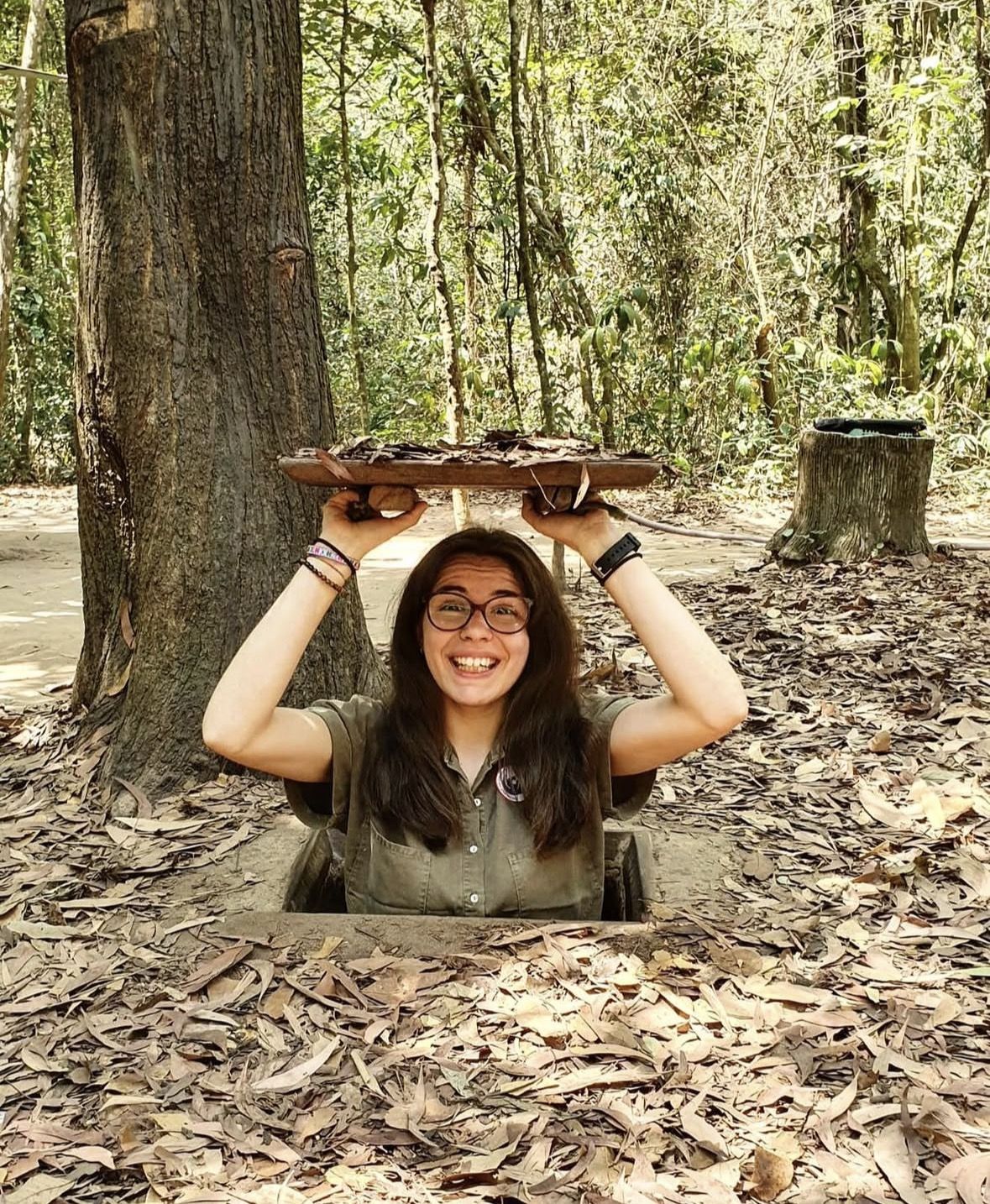
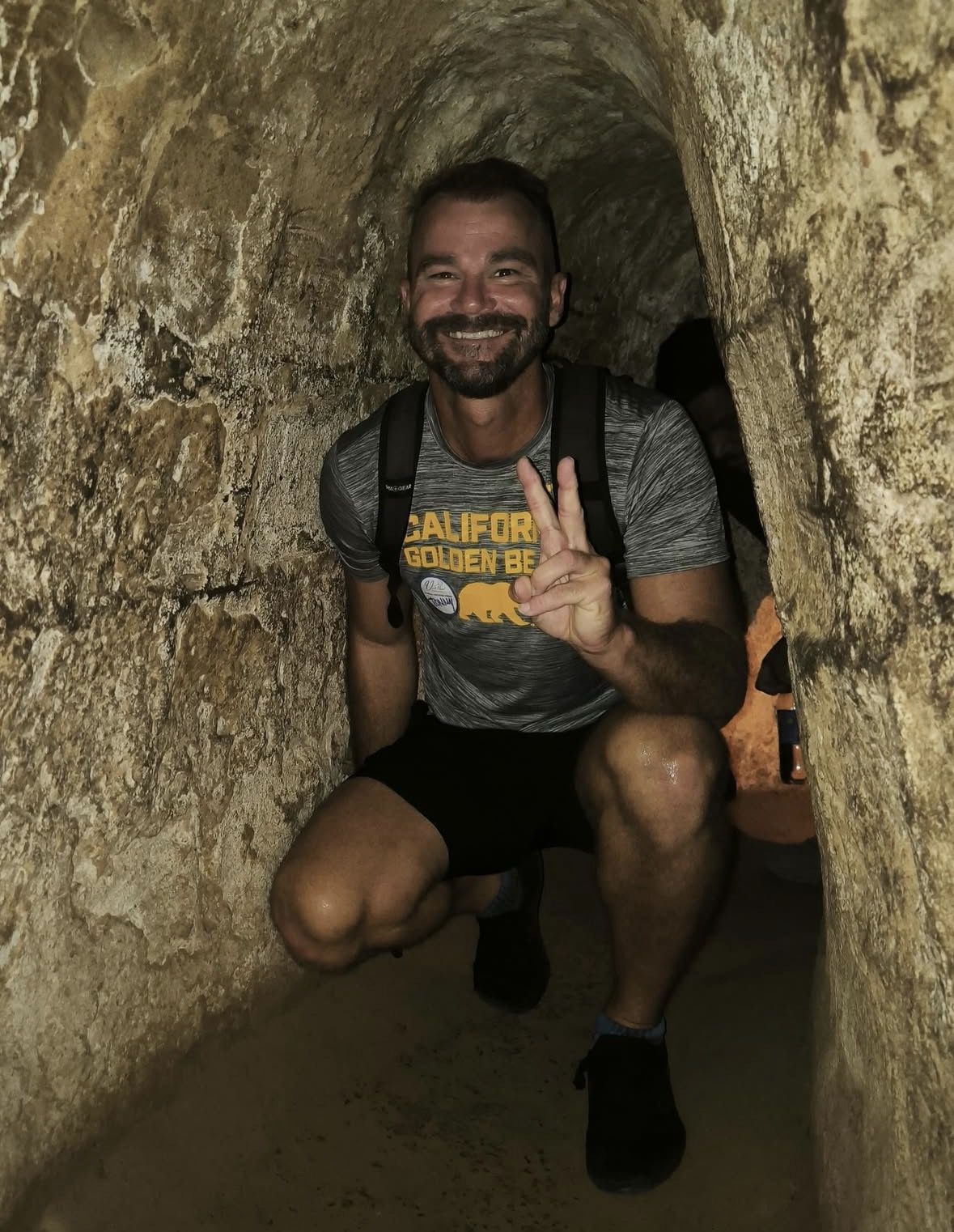
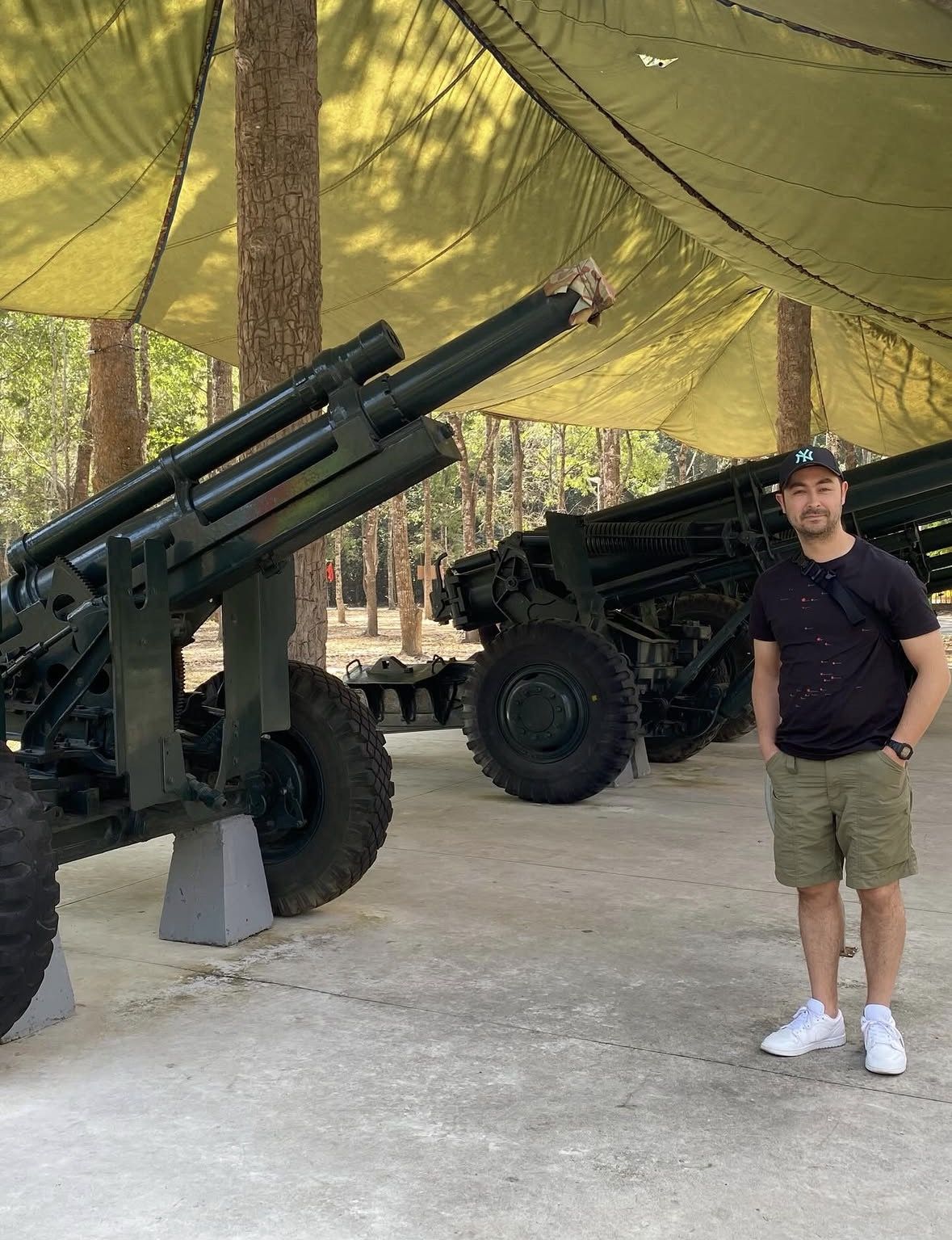
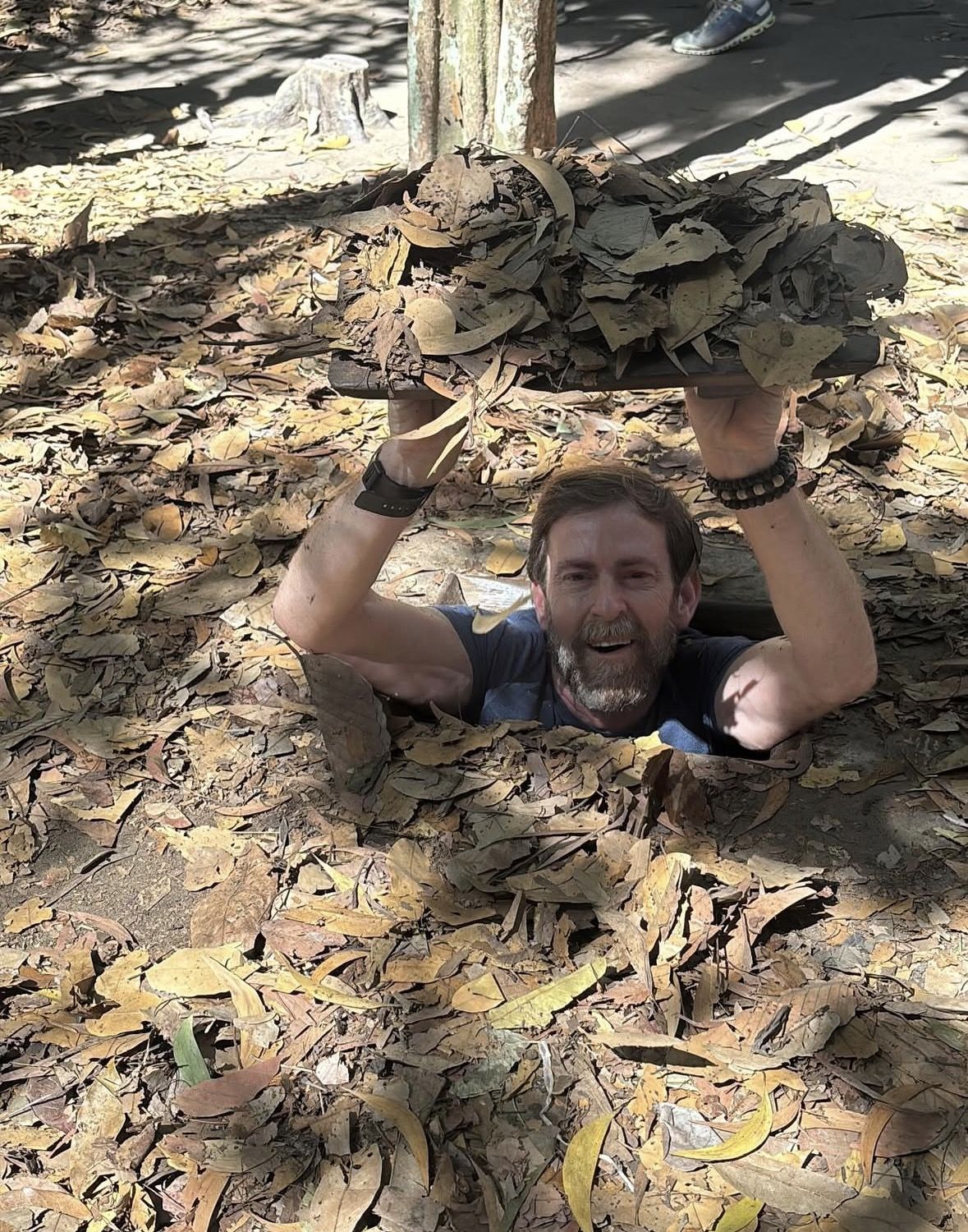
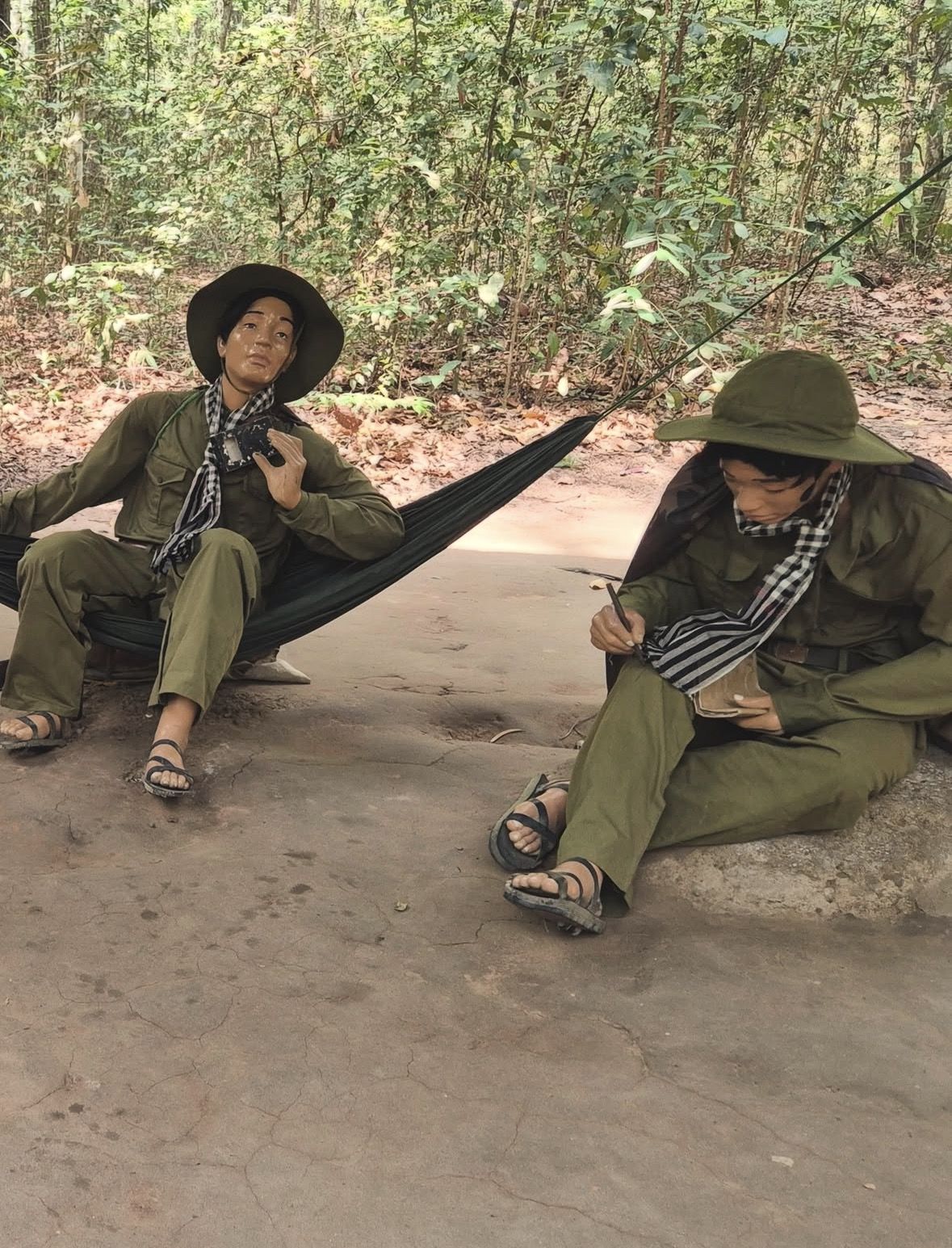
Visitors today walk shaded jungle paths connecting open-air exhibits before descending into the earth itself. Tunnel sections have been widened slightly to accommodate international visitors, yet they remain genuinely claustrophobic and atmospheric. Guides demonstrate camouflaged trapdoors, ventilation shafts disguised as termite mounds, and the multilevel layout that made the network nearly impossible to defeat. The on-site museum displays weapons, maps, and photographs, while a recreated village shows daily underground life. The experience blends education with a raw emotional power that few historical sites anywhere in the world can match.
Initial tunnel sections were dug by hand during the First Indochina War as hiding places from French forces. The network expanded massively under Viet Cong direction through the 1960s, eventually stretching beneath three districts.
At its wartime peak, an estimated 16,000 people lived and worked inside the tunnel system. Entire communities operated hospitals, schools, printing presses, and munitions workshops without ever surfacing during daylight.
The surrounding Iron Triangle received over half a million tons of bombs during the war, making it one of the most heavily bombed territories on Earth. Despite this, the underground network largely survived.
Air shafts were cleverly disguised to look like natural termite mounds, allowing fresh air to circulate without revealing the tunnel entrances. Smoke from underground kitchens was channelled far away from cooking areas to avoid detection.
The tunnels were recognised as a Special National Cultural and Historical Monument of Vietnam. Ongoing conservation efforts preserve both the physical tunnels and the surrounding wartime landscape for future generations.
Tunnel dwellers faced constant threats from malaria, lack of food, and dysentery. Despite these hardships, communities maintained remarkable organisation, morale, and even cultural activities such as theatre performances underground.
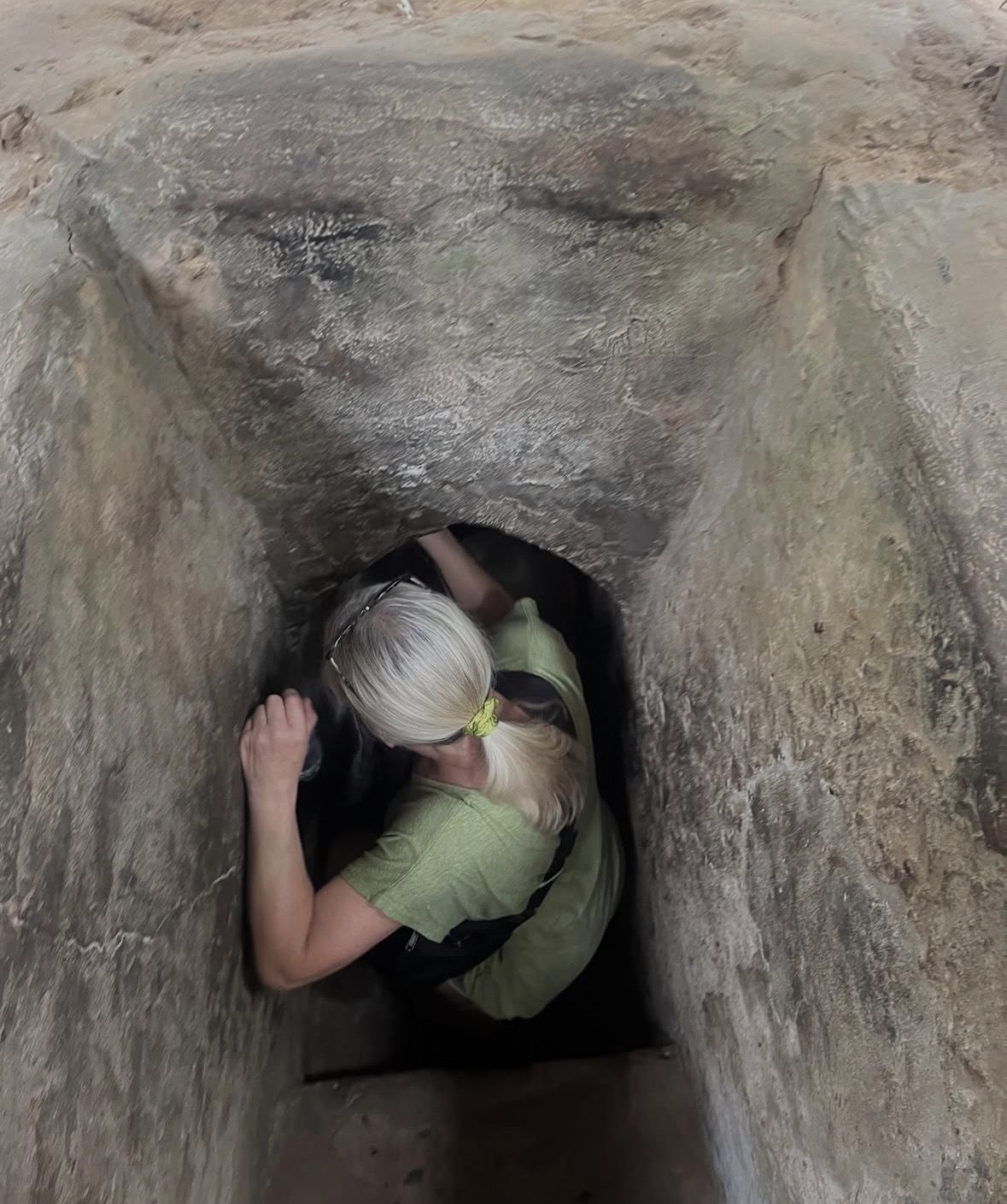
The signature activity is crawling through a genuine section of the underground network. Passages are dark, narrow, and genuinely challenging, giving visitors an immediate physical connection to the wartime experience.
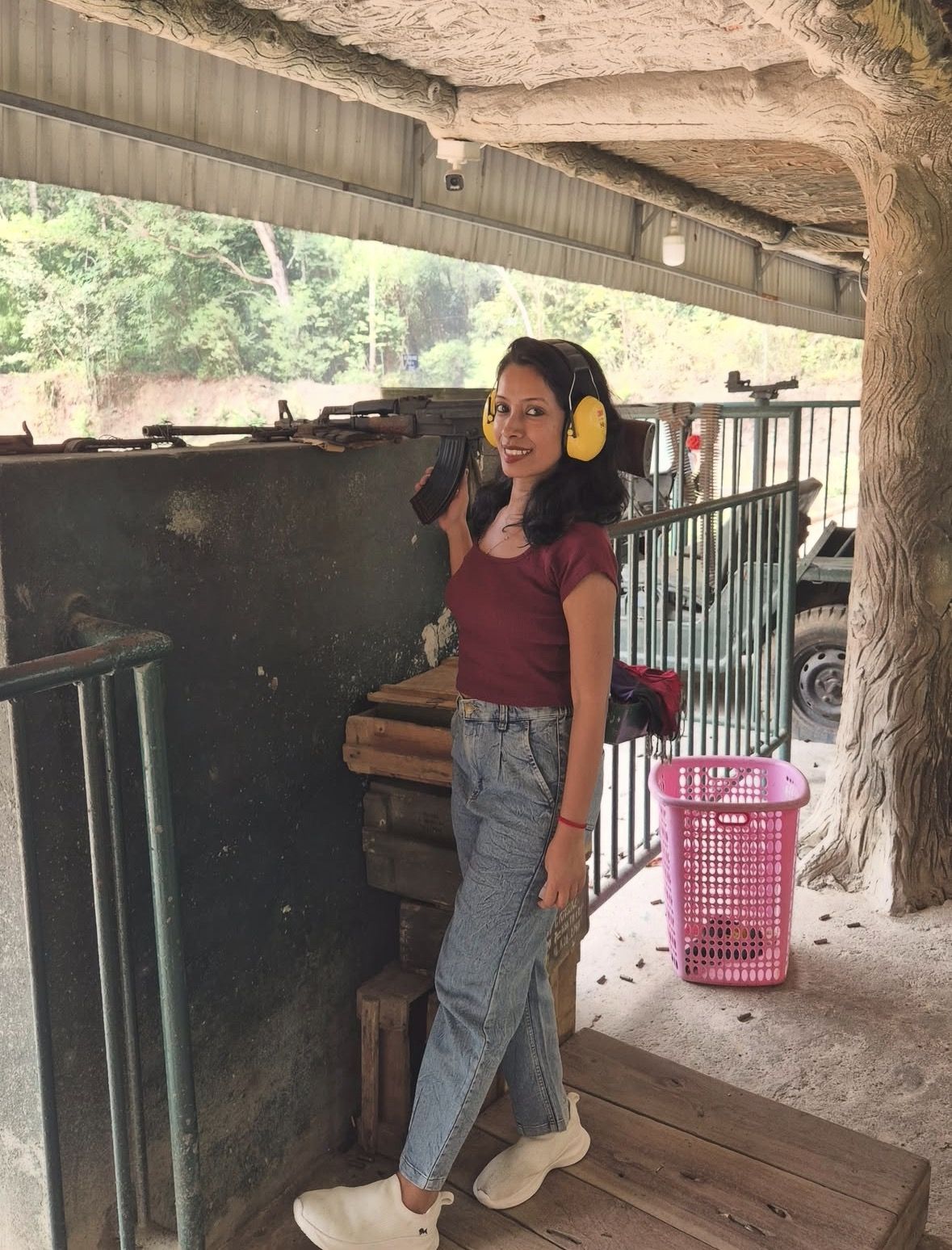
An on-site shooting range allows visitors to fire authentic wartime rifles including AK-47s, M16s, and M60s under close supervision. Ammunition is purchased in ten-round increments and the experience is entirely optional.
A short black-and-white documentary filmed on location during the 1960s is shown at the start of each tour. The film provides essential context and sets a sobering tone for the visit ahead.
Visitors are invited to sample cassava dipped in salt and peanuts — the primary foods consumed by tunnel inhabitants. It is a simple but quietly moving exercise in historical empathy.
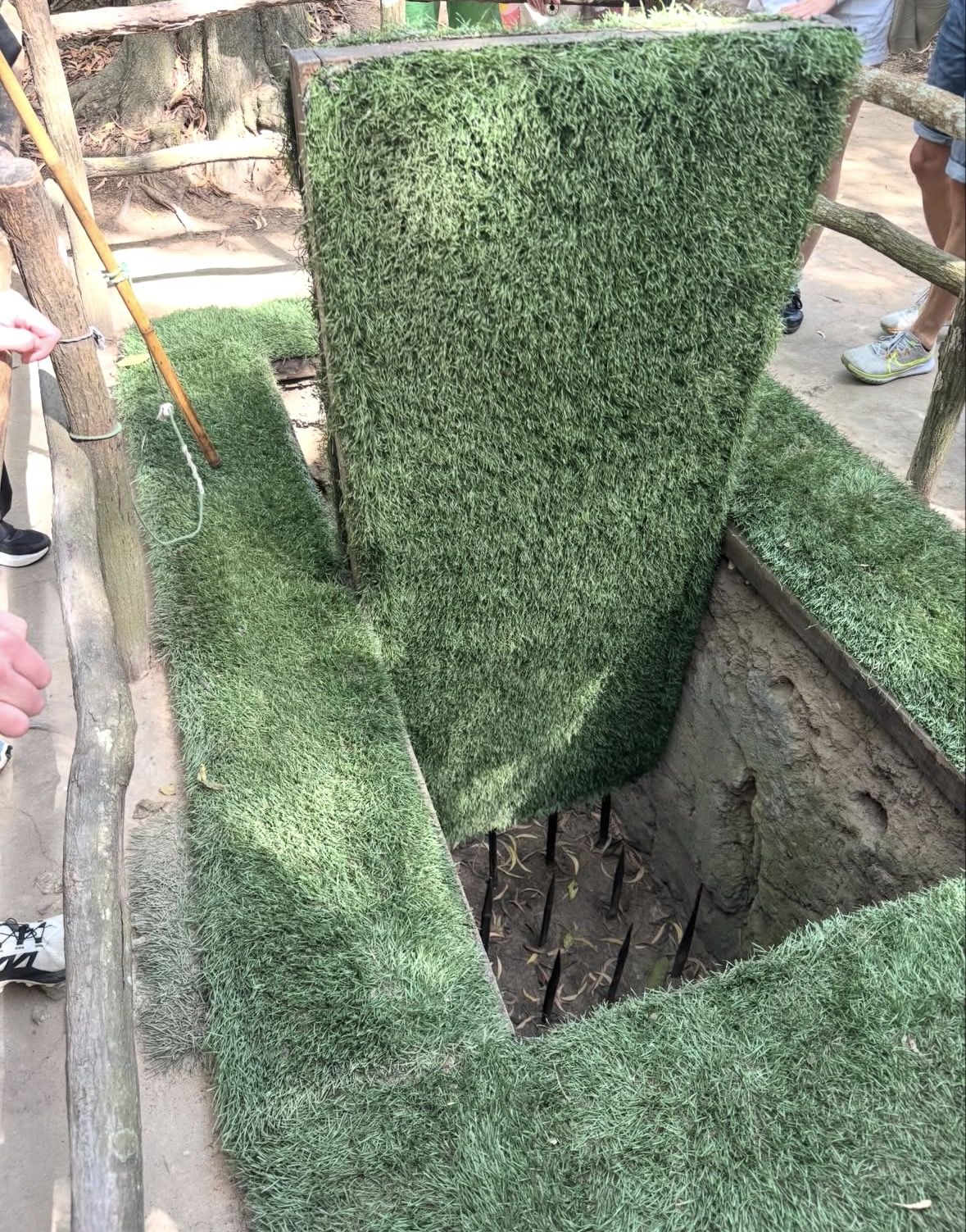
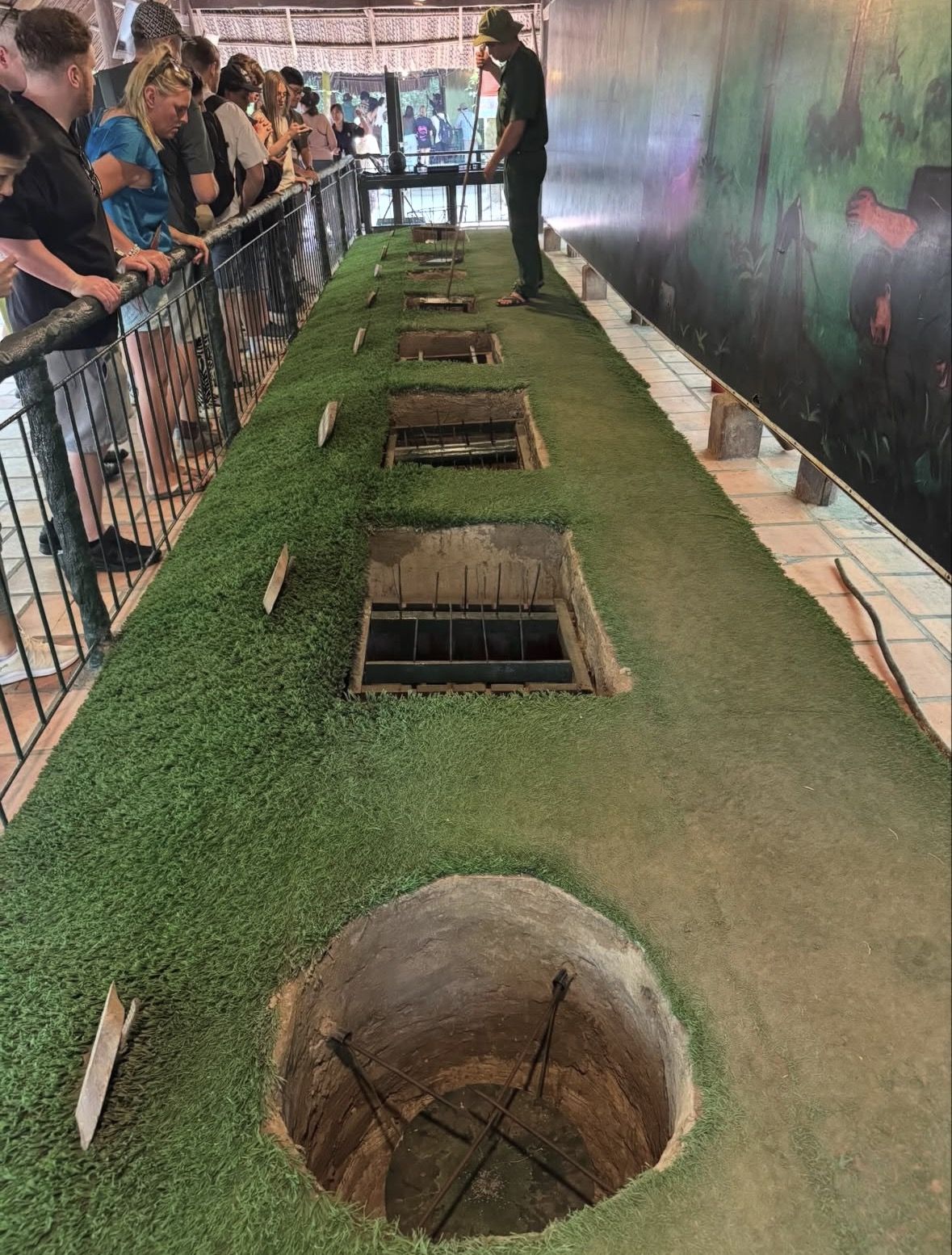
Guides demonstrate a series of ingenious and terrifying trap mechanisms used to defend the tunnel entrances. Displays include spike pits, rolling traps, and concealed trapdoors, all shown safely in situ.
Shaded walking paths connect exhibits through authentic secondary jungle, past bomb craters still visible in the earth. The atmosphere is atmospheric and reflective, offering moments of quiet alongside the more intense exhibits.
See how this iconic Vietnam War site stacks up against other major wartime heritage experiences across Southeast Asia and beyond.
Travellers interested in wartime heritage often weigh several remarkable sites before committing to an itinerary. The Cu Chi Tunnels deliver an underground, hands-on experience that is genuinely unlike anything above ground, but how does it measure up against the DMZ in central Vietnam, the Killing Fields in Cambodia, or the War Remnants Museum in Ho Chi Minh City? This table highlights key differences in crowd levels, cost, and what each destination does best, helping you decide which experiences deserve your time.
| Crowds | Price | Best For | What Sets It Apart | |
|---|---|---|---|---|
| ★ Cu Chi Tunnels | Moderate–Busy | Budget-friendly (~$4.50 entry) | Hands-on immersive history | Crawling through real wartime tunnels underground |
| DMZ (Demilitarized Zone), Vietnam | Light–Moderate | Low (mostly outdoor sites) | Battlefield landscape & bunker tours | Vast open landscape with authentic tunnels at Vinh Moc |
| Killing Fields, Phnom Penh, Cambodia | Moderate | Low (~$6 entry) | Sobering Khmer Rouge memorial | Deeply emotional genocide memorial with audio guide |
| War Remnants Museum, Ho Chi Minh City | Busy | Very low (~$2 entry) | Photography & documentation | Powerful photojournalism archive in urban setting |
Each of these sites offers a distinct emotional register. The War Remnants Museum is urban and photographic; the DMZ is sweeping and desolate; the Killing Fields are profoundly moving. Yet the Cu Chi Tunnels stand apart through sheer physicality — you crawl, crouch, and feel the claustrophobia yourself. That embodied encounter with history makes it irreplaceable for travellers seeking more than passive observation.
Travel Guide
Everything you need to plan a smooth, rewarding visit — from getting there to staying safe in the jungle heat.
Most visitors arrive from Ho Chi Minh City, approximately 70 kilometres to the southeast. The easiest option is a guided day tour that includes return transport by air-conditioned coach, departing from the city's tourist district. Independent travellers can take a public bus (routes 13 and 79 from Ben Thanh bus station) for a budget-friendly alternative, though journey times vary. Motorbike taxis and rideshare apps such as Grab also cover the route but are better suited to those with some local knowledge.
Once at the Ben Dinh or Ben Duoc entrance, the site is entirely walkable. Footpaths are well-maintained and clearly signposted in both Vietnamese and English. A small electric buggy service operates between the car park and the main exhibits for visitors with limited mobility. There are no additional internal transport costs beyond the entry ticket. Those combining both entrances in one day should arrange private transport between the two, as they are several kilometres apart.
The dry season from December through April is widely considered the best time to visit. Temperatures hover between 27 and 33 °C, humidity is lower, and jungle paths remain dry underfoot. January and February are especially popular, aligning with the Vietnamese Lunar New Year period, so expect larger crowds. March and April offer warm, clear days with fewer visitors than peak holiday weeks, making them arguably the sweet spot for a comfortable and crowd-conscious trip.
The wet season runs from May through November, bringing heavy afternoon downpours and high humidity. Mornings during this period are usually clear and manageable, and the jungle turns lush and atmospheric in the rain. Flooding is rarely severe enough to close the site, but muddy paths make solid footwear essential. Visitor numbers dip during the wet season, which means shorter queues at tunnel entrances. The heat is intense year-round regardless of rainfall, so sun protection and hydration matter in every month.
Comfort and practicality should drive every packing decision for this site. The jungle environment means intense heat, occasional mud, and low-ceilinged tunnels that demand flexibility. Loose, breathable clothing in dark or neutral colours is recommended — the tunnel walls leave marks on light fabrics. Closed-toe shoes with grip are essential; sandals are entirely unsuitable for tunnel crawling. A small daypack is sufficient; large bags must be checked at the entrance and are impractical on narrow paths.
Sun protection is non-negotiable given the strong tropical UV index, even on overcast days. A wide-brimmed hat and SPF 50 sunscreen should be applied before leaving your accommodation. Inside the tunnels, a small torch or smartphone torch is useful despite installed lighting, as some sections are very dim. Carry at least one litre of water per person — the heat drains energy quickly. Insect repellent with DEET is strongly advised to guard against mosquitoes in the jungle sections.
Joining a guided tour rather than visiting independently ensures you get essential historical context that transforms the experience. English-speaking guides are knowledgeable and passionate; tipping them at the end (50,000–100,000 VND) is appreciated but not obligatory. Photography is permitted throughout most of the site, though some areas near the shooting range may have restrictions. Respect the memorial atmosphere — this is a place of genuine historical significance, not merely a theme park, and local visitors often arrive to pay their respects.
Food and drink vendors are available on-site, and a small restaurant serves Vietnamese staples at reasonable prices. Bargaining is not expected at official on-site vendors. The cassava tasting offered at the start of many tours is free and worth participating in for its symbolic value. Cash in Vietnamese Dong is recommended as card payment facilities are limited. The shooting range is optional and costs extra — feel free to decline without any pressure. Arrive early, as tour groups tend to cluster between 9 am and 11 am.
Vietnam requires no mandatory vaccinations for entry, but the CDC and WHO recommend being up to date on hepatitis A, typhoid, and routine immunisations before travel. Malaria is not considered a significant risk in this specific area near Ho Chi Minh City, but dengue fever is present and mosquito protection is therefore important. Travellers visiting during wet season should be particularly vigilant about applying insect repellent. Consult a travel health clinic at least four to six weeks before departure to allow time for any required vaccinations.
Heat exhaustion is the most common health issue visitors experience at the site. Drink water consistently throughout the visit, seek shade when not on guided sections, and recognise early signs of overheating: dizziness, nausea, and heavy sweating. The tunnel sections are enclosed and can trigger claustrophobia — visitors are always free to exit via marked escape hatches and should never feel pressured to continue. Basic first aid is available at the site entrance. Vietnam's emergency number is 115 for medical assistance.
Explore More
Extend your trip with these remarkable destinations within easy reach of the site.

The Cu Chi Tunnels - VIP Private Tour offers an exclusive, unhurried way to discover one of the most extraordinary wartime landmarks in Southeast Asia.
Check this tour →
The Cu Chi Tunnels and Mekong Delta - VIP Tour is the ultimate way to experience two of Vietnam's most iconic destinations in a single day.
Check this tour →
The Cu Chi Tunnels & Mekong Delta with Coconut Village Tour is the ultimate way to experience both the historic underground network of Cu Chi and the lush waterways of the Mekong…
Check this tour →
The Cu Chi Tunnels Guided Tour from HCM City - AM/PM Options is your gateway to one of Vietnam's most extraordinary historical sites.
Check this tour →
The Cu Chi Tunnels and Mekong Delta VIP Tour by Limousine is the ultimate way to experience two of southern Vietnam's most celebrated destinations without the discomfort of a…
Check this tour →
The Cu Chi Tunnels and Mekong Delta - Small Group Tour is your ticket to experiencing two of southern Vietnam's greatest destinations in a single unforgettable day.
Check this tour →
The Small Group Cu Chi Tunnels and Mekong Delta Tour from Ho Chi Minh delivers Southern Vietnam's two most compelling experiences back to back.
Check this tour →
The Premium Cu Chi Tunnels Tour with Local Expert delivers an immersive, small-group experience that goes far beyond a standard visit.
Check this tour →
The Premium Cu Chi Tunnels Tour by Speedboat – Small Group Experience is the most exciting and efficient way to reach one of Vietnam's most iconic wartime landmarks.
Check this tour →
The Cu Chi Ben Duoc Tunnels: Authentic & Less Touristy (Max 10) is the ideal choice for travelers who want a genuine connection with Vietnam's wartime history without the chaos of…
Check this tour →
The Private Cu Chi Tunnels Tour By Car | Saigon Adventure is the gold standard for exploring this extraordinary historic site in comfort and style.
Check this tour →
The Cu Chi Ben Duoc Tunnels Tour (max 11 people) with Private Option takes you deep into one of Vietnam's most extraordinary wartime sites.
Check this tour →
The Explore Cu Chi Tunnels Half Day Tour takes you deep into one of Vietnam's most remarkable wartime legacies.
Check this tour →
The Cu Chi Tunnels Experience from Ho Chi Minh City takes you deep into one of the most remarkable wartime engineering feats ever built.
Check this tour →
The Cu Chi Tunnels Private Tour offers an immersive, personal experience through one of Vietnam's most iconic historical sites.
Check this tour →
The Small-Group Cu Chi Tunnel Half-day Tour: Morning or Afternoon takes you deep into the legendary tunnel network that once stretched over 250 km from Ho Chi Minh City to the…
Check this tour →Traveler Reviews
Thousands of visitors have explored the Cu Chi Tunnels and left with unforgettable stories — here's what they had to say.
"Visiting this historic site was one of the most powerful experiences of my entire trip to Vietnam. Crawling through the narrow underground passages gave me a profound respect for the Vietnamese soldiers who lived and fought there for years. Our guide was incredibly knowledgeable and brought the history to life with personal anecdotes and fascinating details. I highly recommend booking a guided tour rather than going independently — the context makes all the difference."
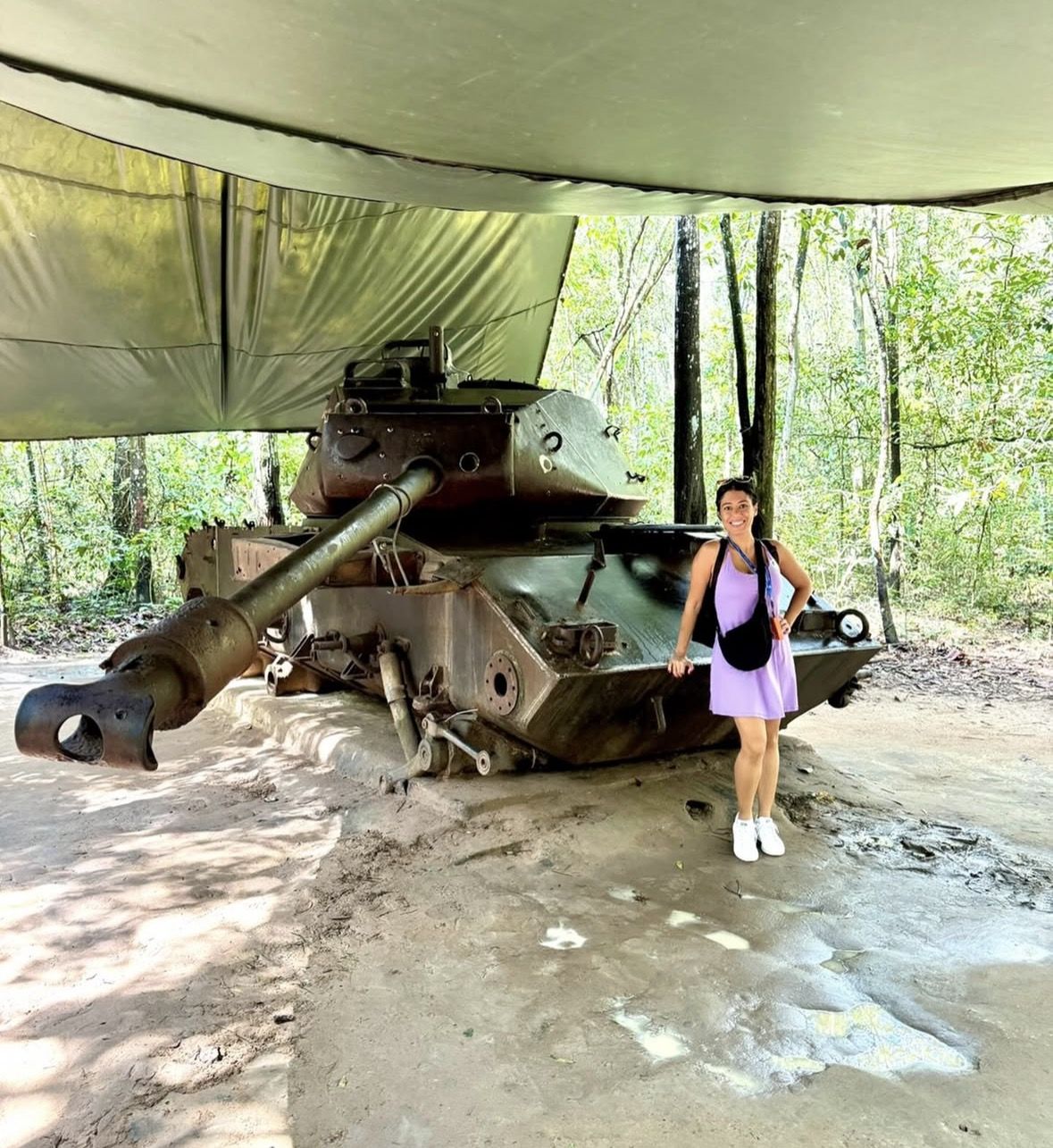
"I had goosebumps the entire time I was underground — the scale and ingenuity of this tunnel network is simply mind-blowing. The exhibits above ground, including the captured American tanks and trap demonstrations, added incredible context to what we saw below. Our guide spoke excellent English and was patient with all our questions, no matter how basic. If you're visiting Ho Chi Minh City, this is an absolute must-do."
"A truly eye-opening experience that I would recommend to anyone interested in history. The site is well-maintained and the guided explanations are thorough and balanced. My only small criticism is that it can get very crowded around midday, so I'd suggest arriving early in the morning to beat the tour groups. Despite the heat and humidity underground, it was absolutely worth the effort."
"This was by far the most memorable stop on our two-week Vietnam itinerary. Squeezing through the tunnels yourself, even the enlarged tourist sections, gives you an immediate physical understanding of what soldiers endured. The documentary shown at the start sets a thoughtful tone and helps you appreciate the site with genuine respect. Don't miss the chance to try the tapioca that wartime residents survived on — it's a humbling and surprisingly tasty moment."
"We booked a half-day tour from Ho Chi Minh City and it was perfectly organized from start to finish. The boat ride option along the Saigon River to reach the site added a beautiful and scenic element to the day. Standing beside the concealed trapdoor entrances, barely wider than a human shoulder, was a genuinely surreal moment. Our whole group left feeling deeply moved and much better informed about the Vietnam War."
"A well-presented and fascinating historical attraction that offers something you simply cannot find anywhere else in the world. The jungle setting feels authentic and the preserved sections of the network are genuinely impressive. I found the shooting range a bit jarring given the somber tone of the rest of the visit, but I understand it appeals to some visitors. Overall a very worthwhile half-day outing, and the transport from the city was smooth and comfortable."
"I've visited war memorials and museums all over the world, but nothing compared to the raw, physical experience of going underground here. The guides strike exactly the right balance between historical fact and human storytelling, never feeling preachy or one-sided. The whole site is shaded by dense jungle, which keeps things slightly cooler and makes for a beautiful atmosphere. Book early in the day and wear comfortable clothes — you'll be very glad you came."
"Visiting with my teenage daughter turned into one of those rare shared experiences that we'll talk about for decades. She was captivated by the ingenuity of the ventilation systems and the hidden kitchens, while I was struck by the sheer human resilience the place represents. The souvenir area at the exit has some genuinely thoughtful handicrafts made by local artisans, which felt like a meaningful way to support the community. An essential stop for any traveller who wants to understand modern Vietnamese history."
Watch Before You Go
This short documentary captures the atmosphere, history, and extraordinary scale of Vietnam's most famous underground network.
Location
The Ben Dinh entrance is located at Tỉnh Lộ 15, Phú Hiệp, Cu Chi District, Ho Chi Minh City, Vietnam — approximately 70 km northwest of the city centre.
FAQ
Everything you need to know before visiting the Cu Chi Tunnels, from practical tips to what to expect underground.
Ready to go underground and experience Vietnam's most powerful living history?
Book Your Tour NowDiscover More
What began as a modest network of hiding places in the 1940s grew into one of the most extraordinary feats of human endurance and engineering in modern warfare. The story of how thousands of people lived, fought, and survived entirely underground continues to astonish historians and visitors alike.