Beneath the red clay earth of Cu Chi district lies one of the most extraordinary military engineering feats in human history — a 250-kilometre labyrinth that helped reshape the outcome of the Vietnam War. Walking these tunnels today is to step directly into a story of ingenuity, sacrifice, and unyielding human determination.
The story of the Cu Chi Tunnels begins not with the American War, as the conflict is known in Vietnam, but during the earlier struggle against French colonial rule. In the late 1940s, Viet Minh fighters in Cu Chi district began digging rudimentary underground passages to hide from French forces and to store weapons and supplies. The region's dense laterite clay soil — compact, stable, and resistant to collapse — proved ideal for tunnel construction. These early passages were modest in scale, little more than simple hiding places connecting a handful of villages, but they established the foundational network that would later be dramatically expanded into one of history's most remarkable underground systems.
By the early 1960s, as the National Liberation Front — popularly known as the Viet Cong — intensified resistance against the South Vietnamese government and its American allies, the tunnels of Cu Chi underwent a radical transformation. Local guerrillas expanded and deepened the original French-era passages, connecting individual village tunnels into a vast, multi-level underground city. The network grew to encompass kitchens, hospitals, weapons factories, command centres, and living quarters. Cu Chi's strategic location just 40 kilometres northwest of Saigon made it a critical base of operations, and the tunnels became the invisible backbone of guerrilla resistance in the region throughout the 1960s.
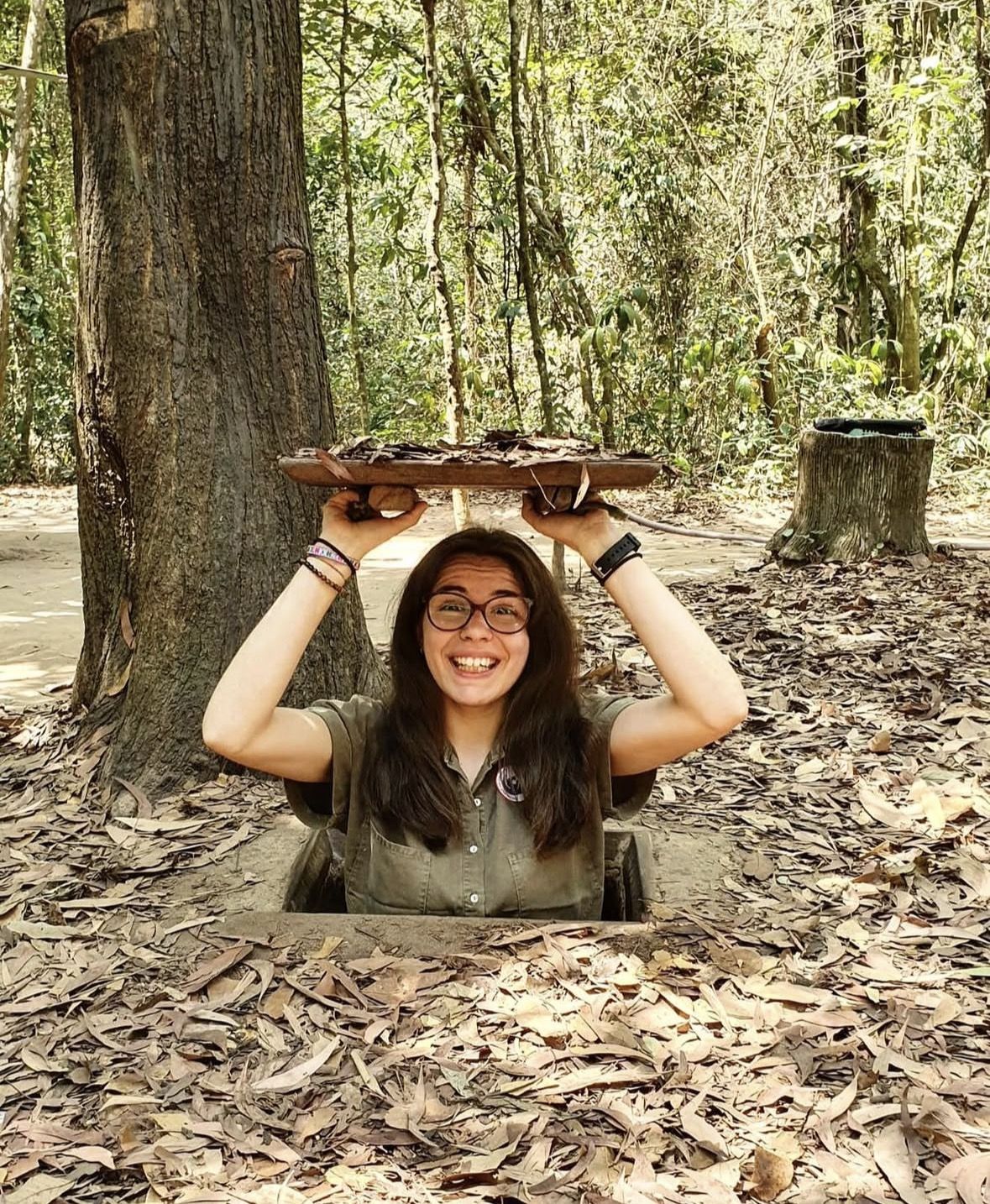
Life inside the Cu Chi Tunnels was a study in extreme human endurance. At their peak, an estimated 16,000 people lived and operated within the underground network, including fighters, civilians, medical staff, and political cadres. The tunnels descended to three separate levels, with the deepest passages reaching nine metres below the surface — deep enough to survive B-52 bombing raids. Ventilation shafts were cleverly disguised as termite mounds or hidden beneath dense undergrowth. Residents endured intense heat, near-total darkness, venomous insects, and the constant psychological stress of living under bombardment, sometimes spending weeks at a time without surfacing.
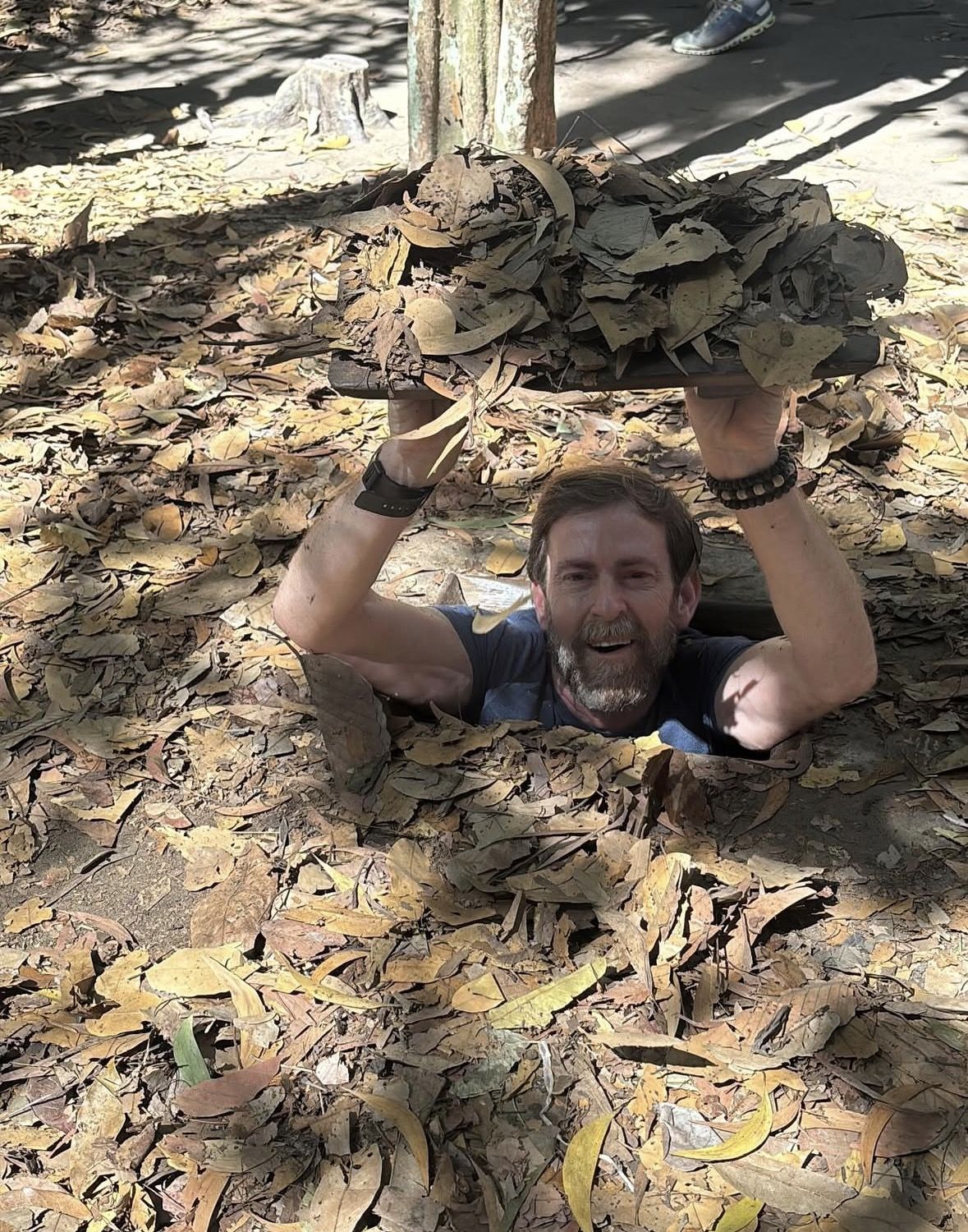
The engineering ingenuity displayed throughout the tunnel system remains astounding to this day. Tunnel entrances were deliberately sized to allow only slim Vietnamese fighters to enter quickly, while slowing or stopping larger American soldiers. Booby traps — including the notorious punji stake pits — surrounded entrances and key junctions, making exploration by enemy forces extraordinarily dangerous. Trapdoors were fitted with anti-blast bends to contain the force of grenades thrown inside. The tunnels even featured smoke-dispersal systems that channelled cooking fumes from underground kitchens to surface vents located hundreds of metres away, making it nearly impossible for US forces to locate inhabited sections by smell or sight.
Beyond purely military functions, the tunnel complex supported a surprisingly complete underground society. Field hospitals performed surgeries by candlelight, with medical staff treating wounded fighters using locally sourced herbs alongside limited Western medications captured or smuggled from enemy supplies. Small schools and political education rooms operated underground. A theatre group performed morale-boosting plays within the tunnels. Workshops manufactured sandals from discarded American vehicle tyres and crafted weapons from unexploded US ordnance. Residents even cultivated small vegetable gardens in bomb craters above ground, tending them at night before retreating underground before dawn, sustaining a community determined to outlast one of the most powerful military forces on earth.
The Cu Chi district sat at the heart of what US military commanders called the Iron Triangle — a Viet Cong stronghold so resilient that repeated large-scale American operations failed to neutralise it. In January 1966, Operation Crimp deployed 8,000 US and Australian troops in what was then the largest allied operation of the war, specifically targeting the tunnel network. Soldiers discovered tunnel entrances but struggled to penetrate the system effectively. The US Army eventually formed specialised units called Tunnel Rats — small, lightly armed soldiers tasked with entering and clearing tunnels — a role that demanded extraordinary courage given the near-certain presence of booby traps, armed fighters, and venomous animals lurking in the darkness.
Operation Cedar Falls in January 1967 escalated the assault dramatically. Over 30,000 US and South Vietnamese troops participated in an attempt to permanently destroy the Iron Triangle, forcibly relocating approximately 6,000 civilians and demolishing the village of Ben Suc entirely. Massive B-52 Arc Light bombing campaigns dropped thousands of tonnes of ordnance across Cu Chi, while Rome Plows — enormous armoured bulldozers — cleared vast tracts of jungle. Despite the unprecedented scale of destruction, the tunnels largely survived. Fighters retreated to the deepest levels during bombardment, emerging once the assault passed to repair entrances and resume operations. The district's resilience became legendary within North Vietnamese military command.
The tunnels played a pivotal role in the Tet Offensive of January 1968, one of the most significant turning points of the entire conflict. Viet Cong units staged and launched coordinated attacks on Saigon and dozens of other urban centres from bases that included the Cu Chi network. Although the offensive was ultimately repelled with heavy Viet Cong losses, its psychological impact on American public opinion proved devastating to the US war effort. By the early 1970s, sustained bombing campaigns had severely degraded the tunnel infrastructure and reduced the resident population significantly, but the network had already fulfilled its most critical strategic purpose in shaping the war's trajectory.
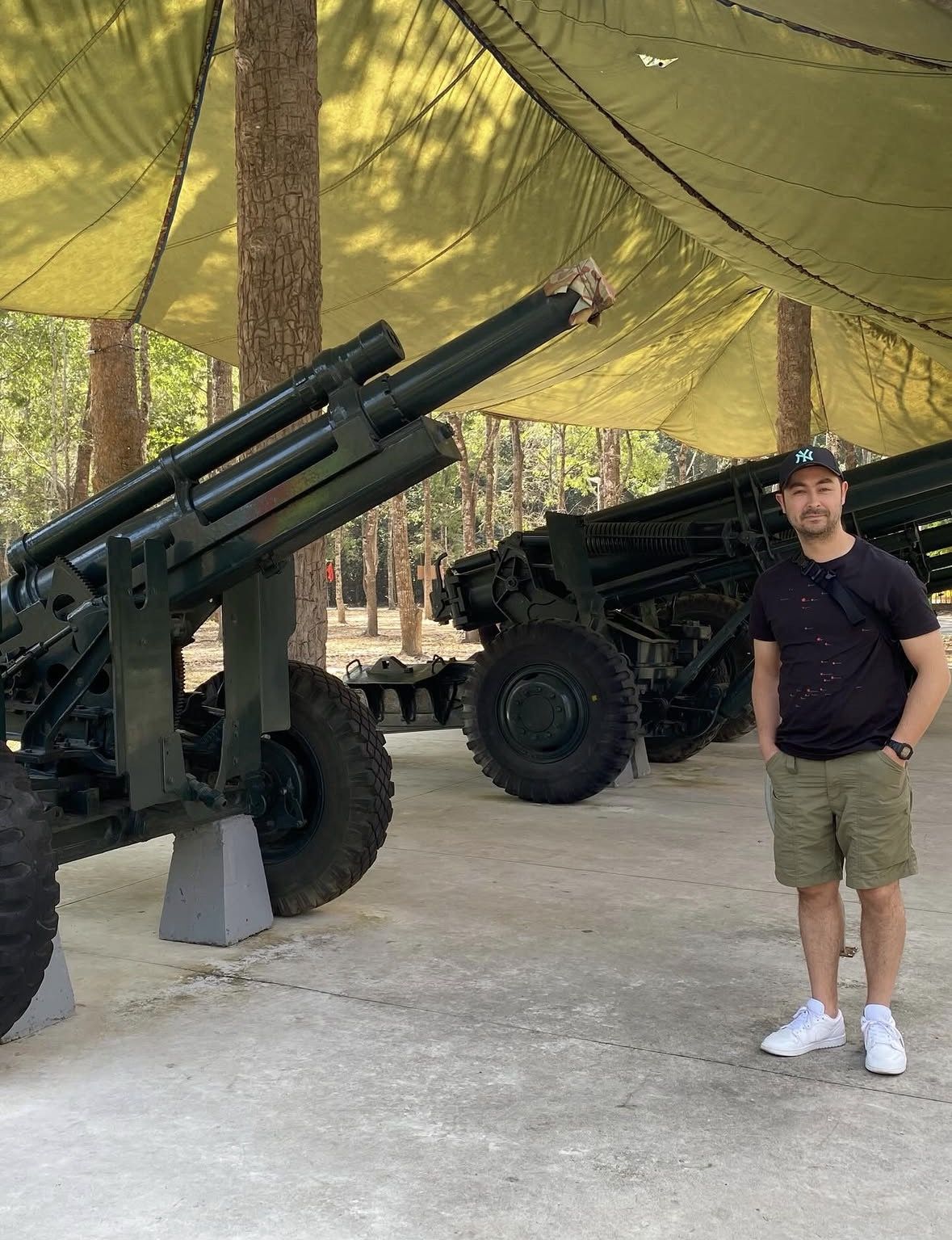
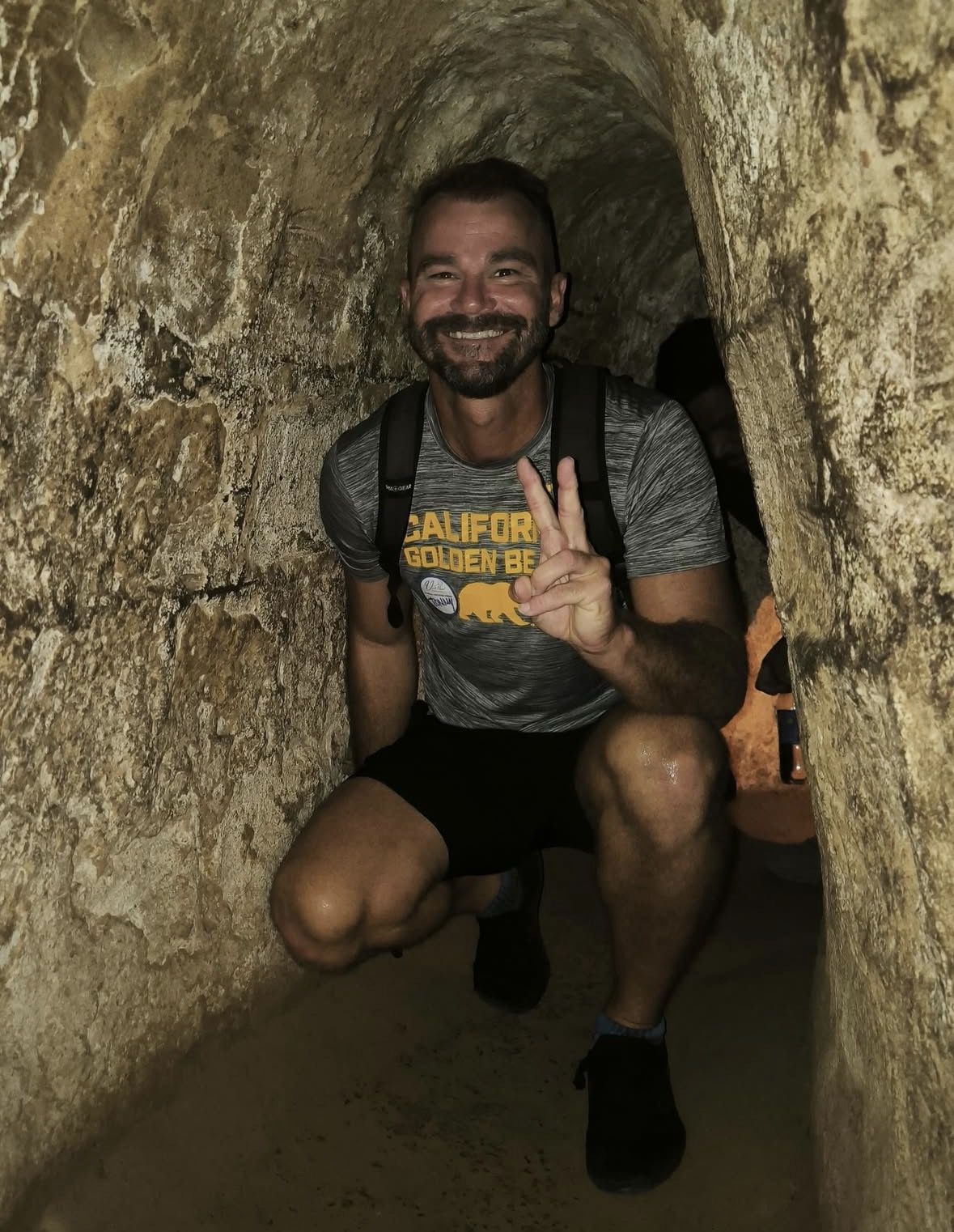
Today the Cu Chi Tunnels operate as two distinct heritage tourist sites — Ben Dinh and Ben Duoc — located roughly 50 to 70 kilometres from Ho Chi Minh City. Both sites opened to visitors in the 1980s following Vietnamese reunification, and the government has since carefully preserved and partially enlarged sections of the original tunnels to accommodate foreign visitors. Tourists can crawl through specially widened 100-metre sections of authentic tunnel passages, inspect original booby traps, view weapons caches, and tour reconstructed underground rooms including hospitals, kitchens, and command centres. Guides provide detailed historical context, and the site offers a profoundly visceral understanding of wartime conditions that no museum display could replicate.
Receiving well over one million visitors annually, the Cu Chi Tunnels rank among Vietnam's most visited historical attractions and form an essential part of almost every Ho Chi Minh City itinerary. The site is recognised as a National Historical Relic by the Vietnamese government and has been a candidate for UNESCO consideration as part of broader Vietnam War heritage recognition efforts. Visitors arrive from every corner of the globe, including many American veterans who return to confront a profoundly complex personal history. Whether you come as a history enthusiast, an adventure traveller willing to squeeze through the original narrow passages, or simply someone seeking to understand one of the twentieth century's most consequential conflicts, the Cu Chi Tunnels offer an encounter with history that is genuinely unforgettable.
Ready to Experience It Yourself?
Guided day tours from Ho Chi Minh City make visiting the Cu Chi Tunnels effortless, with expert local guides bringing every tunnel, trap, and story to vivid life. Choose from small-group or private tours that combine Ben Dinh or Ben Duoc with other iconic sites across the region. Browse our hand-picked selection of top-rated tours below and secure your spot today — spaces fill fast, especially during peak season.
Book Your Tour Now